Source hdg precast concrete lifting anchor for Construction, Mining, Transportation
Compare 30 verified listings for hdg precast concrete lifting anchor from Qingdao and Ningbo suppliers. Evaluate steel forged fasteners with ISO and CE certifications for machine parts and mining equipment applications.
Key considerations
Products List




Comprehensive Sourcing Guide
Strategic Sourcing Guide for HDG Precast Concrete Lifting Anchors
Understanding the Technical Profile and Material Integrity
When sourcing HDG (Hot-Dip Galvanized) precast concrete lifting anchors, the primary objective is to secure components that maintain structural integrity under dynamic and static loads. The core material specification for these critical lifting points is typically steel, chosen for its high tensile strength and durability in harsh environments. The manufacturing process often involves closed-die forging, a technique that aligns the grain structure of the metal to enhance load-bearing capabilities. This forging method is frequently paired with normalizing heat treatment to relieve internal stresses and ensure uniform mechanical properties throughout the component.
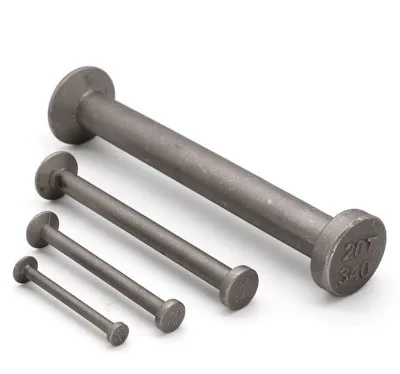
The physical dimensions of these anchors vary significantly based on the intended load capacity. Market observations indicate a capacity range spanning from 1.3 tons to 32 tons, necessitating precise selection based on the specific weight of the precast elements being handled. Specific model configurations, such as those designated for spherical head lifting applications, are designed to accommodate the unique geometry of precast concrete panels. The surface condition is a critical differentiator; a standard specification for these products includes sand blasting followed by zinc or HDG coating. This dual-process approach ensures that the steel is free of mill scale and corrosion before the galvanization layer is applied, providing a robust barrier against environmental degradation.
Buyers must verify that the selected anchor meets the specific molding style required for their application, with forging being the predominant method for high-strength requirements. The measurement system utilized in the product specifications should be clearly defined, as the market supports both metric and inch standards. Furthermore, the weight of individual units can vary, with observed examples ranging from 1.0 kg to 2.5 kg depending on the size and capacity class. It is essential to confirm that the "lifting eye anchor" or similar design features are compatible with the lifting hardware being used on-site to prevent slippage or mechanical failure during the hoisting process.
Compliance, Certification, and Standard Verification
In the construction and precast industry, compliance is not merely a formality but a prerequisite for safety and liability management. When evaluating potential suppliers for HDG lifting anchors, the presence of recognized quality management certifications is a primary indicator of reliability. The supply chain data highlights the prevalence of ISO certifications, specifically ISO 9001, which validates the supplier's adherence to international quality management standards. Additionally, CE marking is frequently observed, indicating conformity with health, safety, and environmental protection standards for products sold within the European Economic Area.
Beyond general quality management, specific industry standards govern the manufacturing of these anchors. The GB standard is a notable reference point in the provided data, suggesting that some manufacturers adhere to Chinese national standards for steel forgings and lifting hardware. Buyers should also look for explicit statements regarding forging tolerance, with observed specifications citing a tolerance of +/-0.5mm. This level of precision is crucial for ensuring that the anchor fits securely into the precast mold and performs correctly under load.
The certification landscape also includes specific testing protocols. High-confidence facts indicate that products undergo a "3 Times Tensile Strength Test," a rigorous verification method to ensure the anchor can withstand loads significantly higher than its rated capacity. This test is a vital component of the safety profile, providing a margin of error that protects against unexpected stress concentrations. When reviewing supplier documentation, procurement teams must verify that the certification documents are current and that the testing procedures align with the specific standards cited, such as GB or other applicable international norms.
It is important to note that while certifications like ISO and CE are common, the specific application context may require additional verification. For instance, anchors intended for construction parts must demonstrate compliance with the specific building codes of the destination country. Buyers should request proof of these certifications and ensure that the supplier's quality control processes are audited regularly. The presence of a "Forging Tolerance" specification in the certification data suggests a commitment to dimensional accuracy, which is essential for the seamless integration of the anchor into the precast concrete element.
Cost Drivers and Pricing Dynamics
The pricing of HDG precast concrete lifting anchors is influenced by a complex interplay of material costs, manufacturing complexity, and logistical factors. The base material, steel, represents a significant portion of the cost, and fluctuations in global steel prices can directly impact the final unit price. The observed price range in the market spans from $0 to $900 USD, a wide variance that reflects differences in capacity, size, and customization levels. Smaller, lower-capacity anchors will naturally fall at the lower end of this spectrum, while heavy-duty units capable of lifting 32 tons will command higher prices.
Customization is another major cost driver. The availability of OEM and ODM services allows buyers to tailor the anchor's design, dimensions, and surface treatment to specific project requirements. However, this flexibility often comes with a premium. Customized colors, unique molding styles, or non-standard dimensions require additional setup time and specialized tooling, which increases the unit cost. The "customized" standard noted in the product data suggests that many suppliers are willing to deviate from standard offerings, but buyers should anticipate a cost increase for these bespoke solutions.
Logistics and packaging also play a role in the final landed cost. The standard packaging for these items often involves white tissue within a wooden crate or plywood boxes designed for sea transport. This protective packaging is essential to prevent damage during transit but adds to the overall weight and volume, influencing shipping costs. The origin of the product, frequently cited as Qingdao, Ningbo, or Guangdong in China, impacts freight rates. These ports are major hubs for steel exports, yet the distance to the buyer's location will determine the final shipping expense.
Buyers should also consider the Minimum Order Quantity (MOQ) as a factor in cost efficiency. The observed MOQ range is extensive, spanning from 1 to 50,000 units. For smaller projects, an MOQ of 1 unit may be necessary, but this often results in a higher per-unit cost. Conversely, larger orders can leverage economies of scale, reducing the unit price significantly. The production capability of suppliers, with some capable of producing 300,000 pieces per month, suggests that volume discounts are available for large-scale procurement. Understanding these dynamics allows buyers to negotiate more effectively and optimize their budget without compromising on quality or safety.
Typical Applications and Operational Requirements
HDG precast concrete lifting anchors are integral to the construction of modern infrastructure, particularly in the realm of precast concrete elements. Their primary application is in the lifting, moving, and positioning of heavy concrete panels, beams, and blocks. The "Mining Equipment" and "Machine Parts" applications noted in the data indicate that these anchors are also utilized in heavy industrial settings where robust lifting solutions are required. The spherical head design is particularly suited for precast concrete applications, allowing for multi-directional lifting and reducing the risk of damage to the concrete surface during the hoisting process.
The versatility of these anchors extends to various construction phases, from the initial casting of the precast element to the final installation on the construction site. The "Construction Parts" certification confirms their suitability for building applications, where they must withstand the dynamic loads generated by cranes and lifting gear. The ability to customize the anchor for specific project needs ensures that they can be integrated into a wide range of precast designs, from residential buildings to large-scale industrial facilities.
Operational requirements for these anchors include strict adherence to safety protocols during installation and use. The "3 Times Tensile Strength Test" ensures that the anchor can handle unexpected loads, but operators must still follow manufacturer guidelines regarding load limits and lifting angles. The surface treatment, including sand blasting and HDG, is crucial for maintaining the anchor's integrity in outdoor environments where exposure to moisture and chemicals is common. This protection is vital for preventing corrosion, which could compromise the anchor's strength over time.
In addition to construction, the "Transportation" application suggests that these anchors may be used in the logistics of moving precast elements within a factory or between sites. The "White Tissue Within Wooden Crate" packaging ensures that the anchors arrive in pristine condition, ready for immediate use. The "Online support" after-warranty service indicates that suppliers are committed to assisting buyers with any technical issues that may arise during the product's lifecycle. This support is essential for maintaining operational continuity and ensuring that any potential issues are addressed promptly.
Supplier Evaluation and Geographic Considerations
Selecting the right supplier for HDG precast concrete lifting anchors requires a thorough evaluation of their capabilities, location, and track record. The supply chain data indicates that the majority of these products originate from China, with specific hubs in Qingdao, Ningbo, and Guangdong. These regions are known for their robust manufacturing infrastructure and expertise in steel processing. Qingdao, in particular, is highlighted as both the original location and the shipping port for many products, suggesting a concentration of specialized manufacturers in this area.
When evaluating suppliers, buyers should look for evidence of a strong production capability. The data mentions a production capacity of 300,000 pieces per month, which is a significant indicator of a supplier's ability to handle large orders and meet tight deadlines. However, capacity alone is not sufficient; buyers must also assess the supplier's quality control processes. The presence of ISO 9001 certification and specific testing protocols like the "3 Times Tensile Strength Test" are strong indicators of a supplier's commitment to quality.
Payment terms and shipping logistics are also critical factors in supplier evaluation. The observed payment methods include T/T, L/C, Western Union, and PayPal, offering flexibility for different types of transactions. The delivery time is typically cited as 7-15 days, which is a reasonable timeframe for standard orders, but buyers should confirm this with the specific supplier to ensure it aligns with their project schedule. The shipping port, often Qingdao, is a major advantage for international buyers due to its extensive connectivity and efficient logistics network.
Buyers should also consider the supplier's ability to provide customization. The "Available" customization attribute suggests that many suppliers are willing to work with buyers to meet specific design requirements. However, this flexibility should be balanced with the supplier's ability to maintain quality and consistency. A supplier that can offer OEM and ODM services while adhering to strict quality standards is ideal for complex projects. Finally, the "After Warranty Service" of online support is a valuable asset, providing buyers with a direct line of communication for any post-purchase issues.
Quality Control and Long-Term Procurement Strategy
Ensuring the long-term reliability of HDG precast concrete lifting anchors requires a proactive approach to quality control and procurement planning. The manufacturing process, which includes closed-die forging and normalizing heat treatment, is designed to produce high-strength components. However, the final quality depends heavily on the execution of these processes and the subsequent surface treatments. The "Sand Blasting" and "Zinc/ HDG" treatments are critical for corrosion resistance, and buyers should verify that these processes are performed to industry standards.
Quality control should extend beyond the manufacturing stage to include rigorous testing and inspection. The "3 Times Tensile Strength Test" is a key indicator of the anchor's safety margin, but buyers should also request documentation for other tests, such as impact resistance and fatigue testing. The "Forging Tolerance" of +/-0.5mm is a specific metric that should be verified to ensure dimensional accuracy. Any deviation from these specifications could compromise the anchor's performance and safety.
Long-term procurement strategies should focus on building relationships with suppliers who demonstrate a commitment to continuous improvement and quality assurance. The "Online support" after-warranty service is a positive sign, but buyers should also consider the supplier's track record for delivering consistent quality over time. Regular audits and inspections of the supplier's facilities can help identify potential issues before they become critical problems. Additionally, maintaining a clear record of the anchor's specifications, certifications, and test results is essential for compliance and liability management.
Buyers should also plan for the lifecycle of the anchors. While the HDG coating provides excellent protection, it is not immune to degradation over time. Regular inspections and maintenance are necessary to ensure the anchors remain safe and functional. The "Customized Color" option can be used to mark anchors for specific projects or batches, aiding in inventory management and traceability. By adopting a comprehensive approach to quality control and procurement, buyers can ensure that their HDG precast concrete lifting anchors meet the highest standards of safety and performance.
Comparative Analysis of Anchor Specifications
To facilitate informed decision-making, the following table summarizes key specifications observed in the market for HDG precast concrete lifting anchors. This comparison highlights the variability in capacity, dimensions, and standards, helping buyers identify the most suitable options for their specific needs.
| Specification Category | Observed Range / Value | Notes for Verification |
|---|---|---|
| Load Capacity | 1.3 Ton - 32 Ton | Verify specific rating against project load requirements. |
| Material | Steel / Metal | Confirm grade and tensile strength specifications. |
| Manufacturing Process | Closed Die Forging | Check for normalizing heat treatment and grain structure alignment. |
| Surface Treatment | Sand Blasting / Zinc / HDG | Ensure coating thickness and adhesion meet corrosion standards. |
| Certifications | ISO 9001, CE, GB | Verify current validity and scope of certification. |
| Tolerance | +/- 0.5mm (Forging) | Critical for mold compatibility and load distribution. |
| Testing Standard | 3 Times Tensile Strength Test | Confirm test reports and methodology. |
| Packaging | Wooden Crate / Plywood Box | Check for sea-worthy packaging and protective lining. |
| Origin | Qingdao, Ningbo, Guangdong | Assess logistics costs and lead times based on port. |
| Customization | Available (OEM/ODM) | Clarify lead time and cost implications for custom orders. |
This table serves as a reference point for buyers to compare different suppliers and products. It emphasizes the importance of verifying specific details rather than relying on general market trends. By using this structured approach, procurement teams can make data-driven decisions that align with their project requirements and safety standards.
FAQs
What certifications do hdg precast concrete lifting anchors typically have?
These anchors typically hold ISO and CE certifications, with some manufacturers also providing ISO 9001 validation. Specific data indicates compliance with GB standards and forging tolerances of plus or minus 0.5mm to ensure dimensional accuracy during production.
How are hdg precast concrete lifting anchors manufactured and treated?
Manufacturing involves closed-die forging and normalizing heat treatment to enhance structural integrity. The surface condition undergoes sand blasting followed by zinc or HDG coating to prevent corrosion and ensure a robust barrier against environmental degradation.
Which load capacities are available for hdg precast concrete lifting anchors?
Available capacities range from 1.3 tons to 32 tons depending on the specific model and size. Buyers must select the appropriate capacity based on the weight of the precast elements being handled to ensure safe lifting operations.
Can hdg precast concrete lifting anchors be customized for specific projects?
Yes, customization is available for OEM and ODM requirements including unique dimensions and colors. Suppliers offer tailored solutions for specific molding styles and surface treatments to meet distinct project geometries and safety standards.
What is the lead time for hdg precast concrete lifting anchor orders?
The standard delivery time is typically between 7 to 15 days for most orders. Production capabilities can reach up to 300,000 pieces per month, allowing suppliers to handle large volume requests efficiently within this timeframe.
How are hdg precast concrete lifting anchors packaged for shipping?
Packaging options include white tissue within wooden crates or plywood boxes designed for sea transport. This protective method ensures the anchors arrive in pristine condition, preventing damage during transit from origin ports like Qingdao or Ningbo.